


In Colorado, winter isn’t just a season. One day it can be -10°F in Denver, and 24 hours later the high-altitude sun pushes temperatures up dramatically.
We don’t just deal with cold winters — we live in an unpredictable climate. March is historically Denver’s snowiest month, yet it’s also when many homeowners start wondering whether their system will handle the dry heat coming in June.
That contrast changes the entire conversation about HVAC systems. In Colorado, it’s not just about surviving winter — it’s about having a system that performs well all 12 months of the year.
For years, people believed heat pumps simply didn’t work in the Rockies— that once temperatures dropped below 30°F, they stopped being effective. Today, technology has changed that conversation.
If you’re evaluating heat pump vs. furnace in cold climates, this guide will help you understand which system performs best in Colorado — and why, in many cases, the answer isn’t black and white.
The “Mile-High” Factor: Living Above 5,000 Feet Changes Everything
Denver sits one mile above sea level. That altitude affects air density — and it also affects how gas furnaces burn fuel.
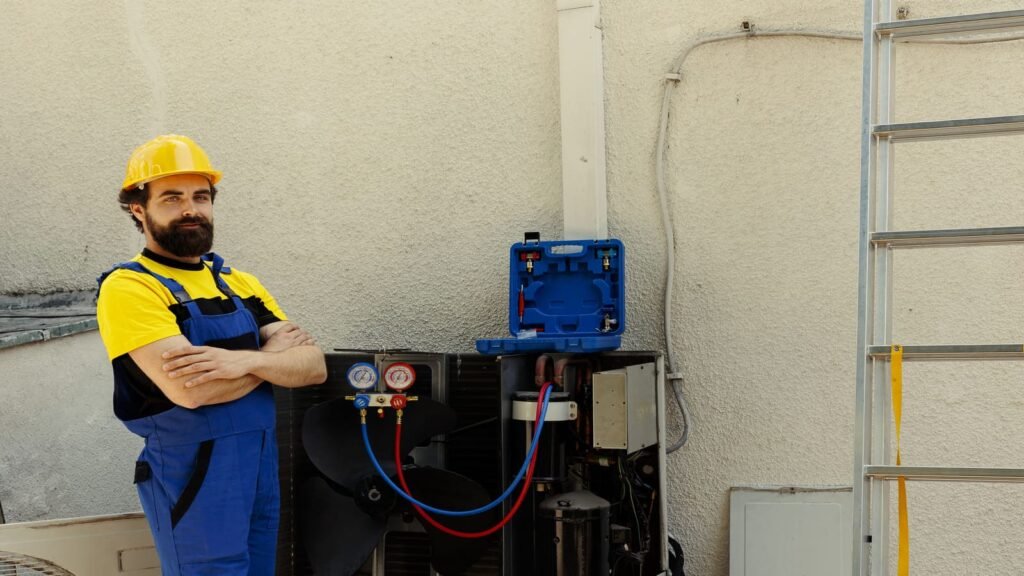
A poorly calibrated furnace can lose efficiency at higher elevations. That’s why proper system selection and professional installation are especially important in Colorado.
Our climate also combines extreme cold with more than 300 days of sunshine per year. Not every winter day looks the same — and that directly impacts how each system performs.
The Difference Between a Heat Pump and a Furnace
The difference between a heat pump and a furnace is simpler than it sounds.
A Furnace Creates Heat
A furnace burns natural gas and generates heat from scratch. It then distributes that heated air through ductwork across the home or building.
It’s powerful, direct, and highly reliable in subzero temperatures.
In simple terms: a furnace manufactures heat.
A Heat Pump Moves Heat
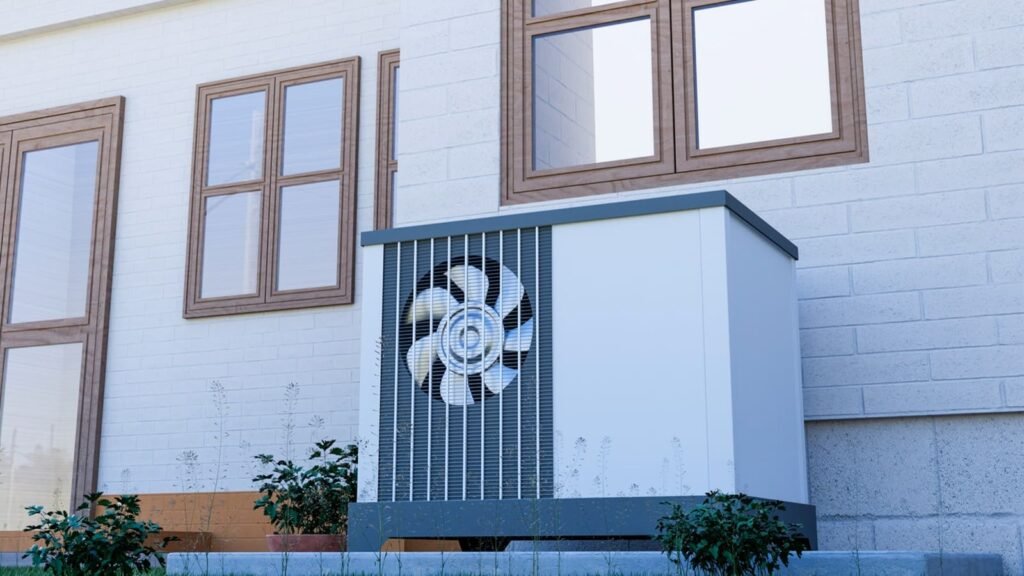
A heat pump doesn’t create heat — it transfers it.
Even when it’s cold outside, the air still contains thermal energy. The system captures that energy using refrigerant and compressors and moves it indoors.
It works like an air conditioner in reverse. That’s why many inverter systems also function as air conditioners in the summer.
What Happens at -10°F in Denver?
This is the critical point in the heat pump vs. furnace in cold climates debate.
Older heat pumps lost efficiency below 30–35°F. That’s where their bad reputation in Colorado began.
But modern cold climate heat pumps are designed to operate at -5°F and even as low as -13°F, depending on the model. They use inverter-driven compressors and variable-speed technology to adjust output based on demand.
That doesn’t mean they perform identically at every temperature. It means they no longer lose capacity critically in winter the way older models did.
The Smart Solution for Colorado: Hybrid (Dual Fuel) Systems
In Colorado, many HVAC professionals recommend a hybrid approach.
A Dual Fuel system combines an electric heat pump with a gas furnace as backup.
When outdoor temperatures are around 40°F or 35°F, the heat pump operates at high efficiency. When temperatures drop significantly, the gas furnace automatically takes over.
The result: energy savings without sacrificing comfort during extreme cold snaps.
HSPF2 vs. AFUE: How to Compare Efficiency Correctly
Furnaces are measured using AFUE.
If a furnace has a 96% AFUE rating, it means 96 cents of every dollar spent on gas is converted into usable heat.
Heat pumps are measured using HSPF2.
This rating reflects how much heating output the system delivers per unit of electricity consumed. The higher the number, the greater the efficiency.
On moderate winter days, a heat pump can be very economical. During prolonged polar conditions, a furnace may provide more consistent output.
Real Costs in Colorado: What Matters Financially
Colorado has historically had relatively accessible natural gas pricing, which is why many homes rely on furnaces.
However, modern heat pumps can offset electricity costs thanks to their high efficiency during moderate temperatures.
For Property Managers
The conversation often centers on return on investment (ROI).
A hybrid system can reduce long-term operating costs while taking advantage of federal and state incentives.
Equipment lifespan and maintenance costs in multifamily properties also play a significant role.
For Homeowners
For many homeowners, the focus is comfort and peace of mind.
Heat pumps provide more consistent, quieter airflow. They don’t produce the intense bursts of hot air that some furnaces do.
In Colorado’s dry climate, that steady delivery can feel noticeably more comfortable.
Incentives in Colorado: An Opportunity Worth Considering
The Inflation Reduction Act (IRA) offers federal tax credits for high-efficiency HVAC equipment.
In many cases, homeowners may qualify for up to 30% in federal tax credits, depending on eligibility and system type.
Additionally, utilities such as Xcel Energy offer rebates for heat pumps and energy-efficient systems.
These incentives can significantly reduce the upfront cost difference between systems.
Key Advantages and Limitations
When choosing a furnace, you benefit from:
✔ Strong performance in extreme cold
✔ Fast heating response
✔ Proven, widely used technology
✖ Heating only
✖ Dependence on natural gas
When investing in a cold climate heat pump, you gain:
✔ A true 2-in-1 system (heating and cooling)
✔ High efficiency in moderate temperatures
✔ A more sustainable option
✖ May require backup during extreme cold
✖ Higher upfront investment
So… Heat Pump vs. Furnace in Cold Climates?
The right answer depends on your property.
Factors such as insulation levels, building size, electrical infrastructure, gas access, and financial goals all matter.
In Colorado, the smartest approach is often not choosing one or the other — but designing a system that strategically combines both.