


In Denver, winter doesn’t forgive. Sudden temperature drops, below-freezing nights, and snowstorms are part of everyday life in the Mile High City. In that environment, the difference between a warm, comfortable home and a 2:00 a.m. emergency—when the thermometer reads -5°F—often comes down to one critical factor: the condition of your furnace.
Winter furnace maintenance isn’t an unnecessary expense or something to keep putting off. It’s a direct investment in peace of mind, safety, and efficiency during the coldest months of the year.
The 3 Pillars of Winter Furnace Maintenance
Behind every reliable furnace is proper maintenance that protects three essential things: your budget, your safety, and the lifespan of your equipment.
Improved Energy Efficiency and Cost Control
During winter, your furnace runs longer hours and under greater demand. Issues such as dirty filters, misaligned burners, or restricted airflow force the system to work harder just to maintain the desired temperature.
The result is higher gas or electric consumption and increased utility bills from providers like Xcel Energy. A professional tune-up allows your furnace to operate efficiently, maintain consistent indoor temperatures, and reduce wasted energy—especially important when the system is running almost every day.
Safety for Your Family and Property
Heating isn’t just about comfort—it’s also about safety. A poorly maintained furnace can develop hidden but serious issues, such as carbon monoxide (CO) leaks or cracks in the heat exchanger.
During winter, when the system runs for extended periods, these risks increase. A professional inspection helps identify problems that aren’t visible to the naked eye, protecting your family, employees, and property from potentially dangerous situations.
Extended Furnace Lifespan
Wear and tear are unavoidable, but when they go undetected, they can significantly shorten the life of your furnace. Overworked components, faulty ignition cycles, and dirt buildup can lead to premature failures, costly repairs, or even complete system replacement.
In Denver, replacing a furnace can cost anywhere from $4,000 to $8,000 or more—especially for systems stressed by long, harsh Colorado winters. Annual preventive maintenance costs only a fraction of that and helps ensure reliable operation for many years.
What a Professional Furnace Tune-Up Really Includes
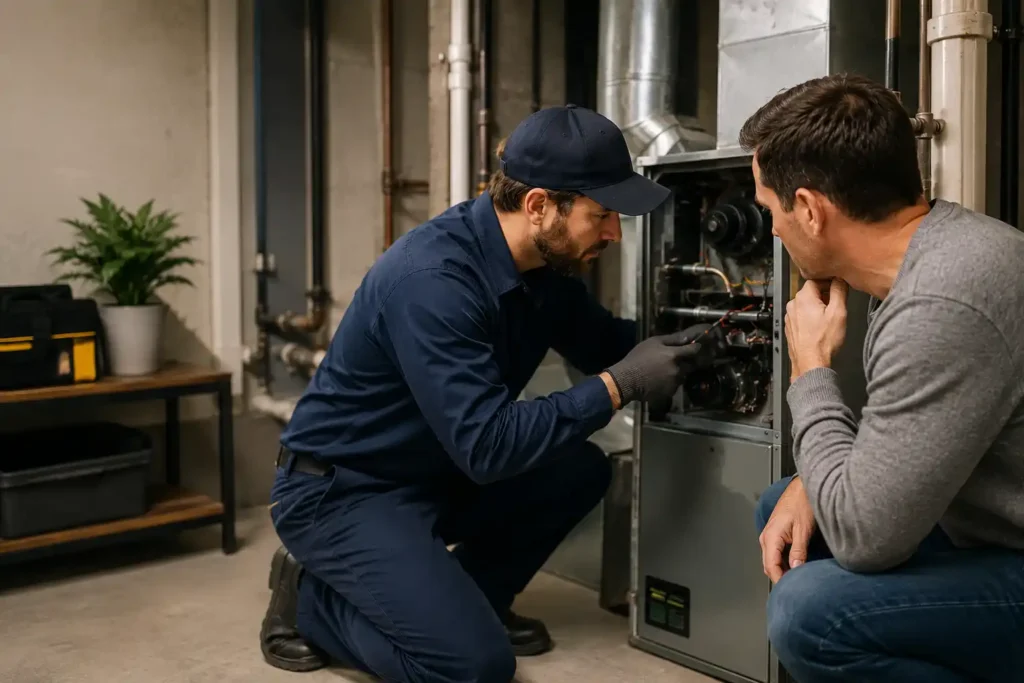
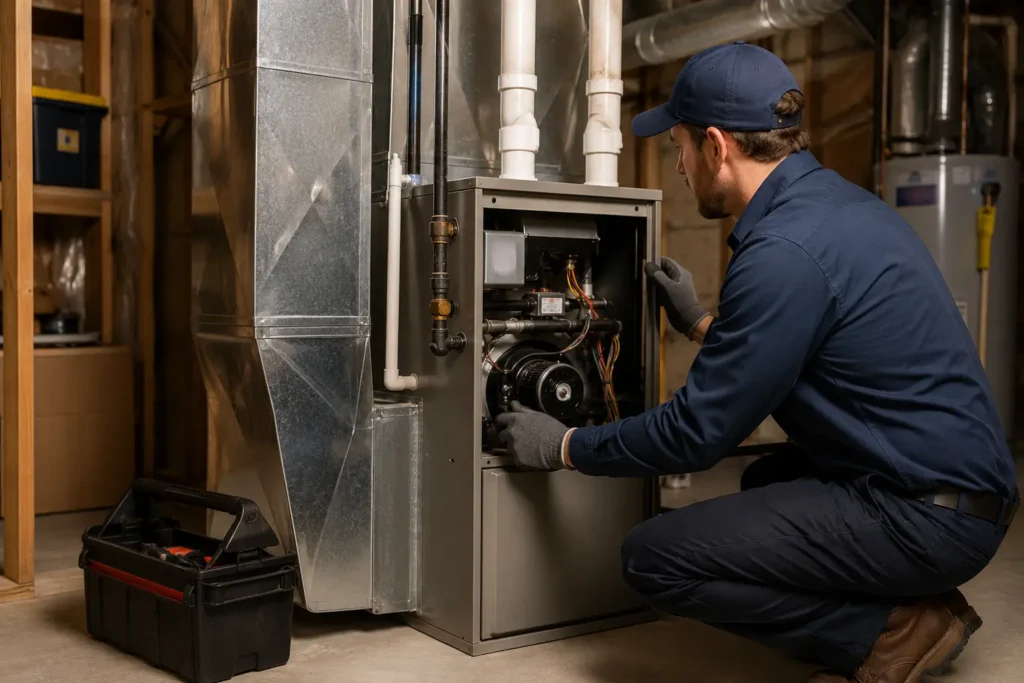
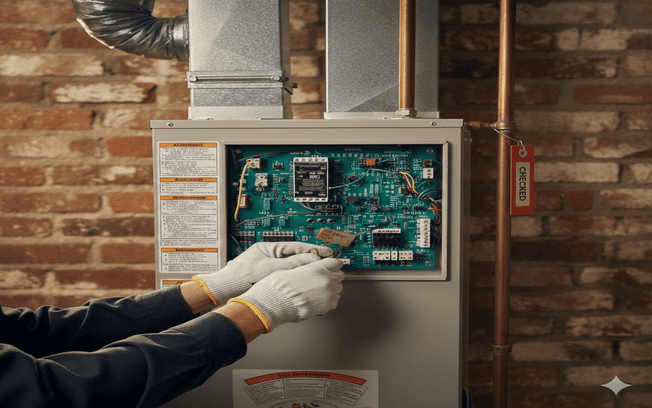
Professional furnace maintenance goes far beyond a quick visual check. During a complete tune-up, a trained technician evaluates and optimizes every critical component of the system, including:
- Blower motor cleaning. The blower motor is responsible for moving warm air throughout your home. When dust and debris build up, the motor must work harder to move air, which is one of the leading causes of premature motor failure. Preventive maintenance helps avoid this costly repair.
- Flame sensor cleaning and verification. A dirty flame sensor is the number one cause of unexpected furnace shutdowns. If the sensor can’t properly detect the flame, the system shuts off the gas supply as a safety measure—often leaving your home without heat on the coldest days. Proper cleaning and calibration prevent these frustrating interruptions.
- Burner inspection and cleaning. Burners must produce a clean, stable flame. When they’re dirty or misaligned, efficiency drops, gas consumption increases, and incomplete combustion can occur—raising the risk of carbon monoxide and reducing overall system performance.
- Heat exchanger inspection. The heat exchanger acts as a barrier between combustion gases and the air circulating through your home. Even a small crack can allow carbon monoxide to enter your living space, creating an immediate safety hazard. Early detection can quite literally save lives.
- Thermostat calibration. A poorly calibrated thermostat can cause the furnace to cycle on and off too frequently or run longer than necessary. This increases energy bills and accelerates wear on internal components.
- Ventilation system verification. The ventilation system ensures combustion gases are safely expelled outdoors. Blockages or leaks can lead to dangerous gas buildup and reduced furnace performance, especially during peak winter use.
- Ignition and shutdown cycle testing. Proper cycling ensures the furnace starts, runs, and shuts down safely and efficiently. Problems in this sequence are often early warning signs of larger failures during the winter season.
Each of these steps serves a clear purpose: preventing emergencies, protecting occupant health, and reducing long-term operating costs.
When Is the Best Time for Furnace Maintenance?
The ideal time to service your furnace is during the fall or early winter, before extreme temperatures set in. In Colorado, weather changes can be abrupt—going from 60°F to 10°F in less than 24 hours is not uncommon—and that thermal stress takes a toll on heating equipment.
Waiting for your furnace to fail in the middle of winter doesn’t just mean discomfort. It often leads to longer wait times and emergency repairs. Timely maintenance ensures your system is ready when you need it most.
Signs Your Furnace Needs Immediate Attention
If you recognize one or more of these warning signs, your furnace could be weeks—or even days—away from a major failure. Scheduling a professional inspection as soon as possible is strongly recommended.
- Unusual noises during operation. Banging, humming, or vibrating sounds often indicate loose components, blower wear, or motor issues. Ignoring them can lead to complete system failure.
- Cold air or uneven temperatures throughout the home. If some rooms aren’t warming properly or the air feels lukewarm, your furnace may be operating inefficiently or experiencing combustion or airflow issues.
- Unexpected increases in energy bills. A sudden spike in utility costs without changes in usage habits often means the system is working harder to deliver the same amount of heat.
- Unusual odors when the furnace turns on. Persistent burning or gas smells should never be ignored. They may indicate dirt buildup, electrical problems, or combustion issues.
- Yellow pilot flame instead of blue. On older furnaces, a yellow flame signals incomplete combustion and potential carbon monoxide presence. This is a serious warning sign that requires immediate inspection.
- Frequent on-and-off cycling (short cycling). This behavior is often linked to dirty sensors, thermostat issues, or internal problems that shorten the furnace’s lifespan.
- Excessive dust inside the home. A noticeable increase in dust when the heating system runs can point to clogged filters, dirty ductwork, or contaminated internal components, all of which accelerate wear and reduce air quality.
- Age of the system. If your furnace is more than 12 years old, any warning sign should be taken especially seriously. In Denver, a total system failure during a -5°F night can quickly become a critical situation.
Recognizing these signs early can be the difference between a routine tune-up and an emergency repair in the dead of winter.
Preventing Problems Is Always Less Expensive Than Fixing Them
Winter furnace maintenance isn’t a luxury or an optional recommendation. It’s a preventive measure that improves efficiency, protects your family, and extends the life of your heating system. Compared to the cost and stress of emergency repairs, annual maintenance is a smart and responsible decision.
In a Denver winter, peace of mind starts with a heating system you can rely on.
Schedule Your Furnace Maintenance with Aether Mechanical
Don’t wait for the first snowstorm to discover your furnace is failing. At Aether Mechanical, we don’t just repair equipment—we understand the unique challenges that the Mile High City’s climate places on your home.
As local Denver experts, we know that a reliable furnace is the difference between a restful night and a winter emergency. Schedule your furnace tune-up today and enjoy comfort, safety, and efficiency all season long.